
Lifting Straps for Gym: More Grip Strength & Power
Lifting Straps for the Gym: Max Power, Perfect Grip – No Limits
When you push yourself in strength training, there comes a point where it’s not your back, legs, or motivation that gives out – it’s your grip. Your forearms burn, the bar slips, and your muscles haven't even reached true failure. That’s where lifting straps step in: they support you exactly when your body starts to falter, helping you unlock the full power of your major muscle groups.
Lifting straps have become essential for athletes of all levels – from beginners to elite bodybuilders. Why? Because they provide control, safety, and performance when it matters most.


What Are Lifting Straps – and How Do They Work?
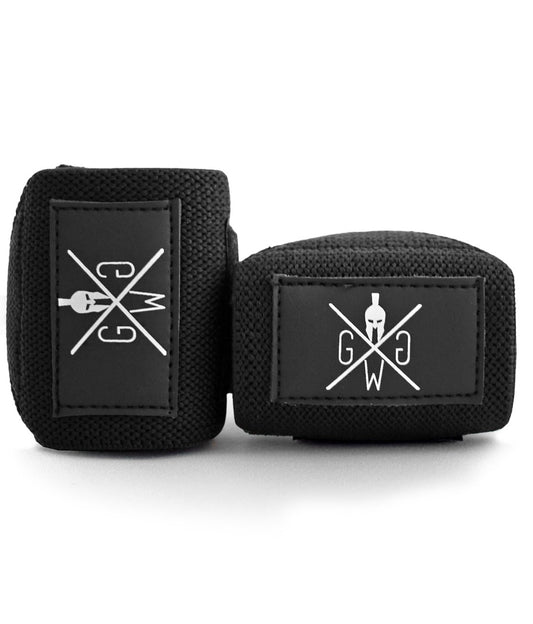
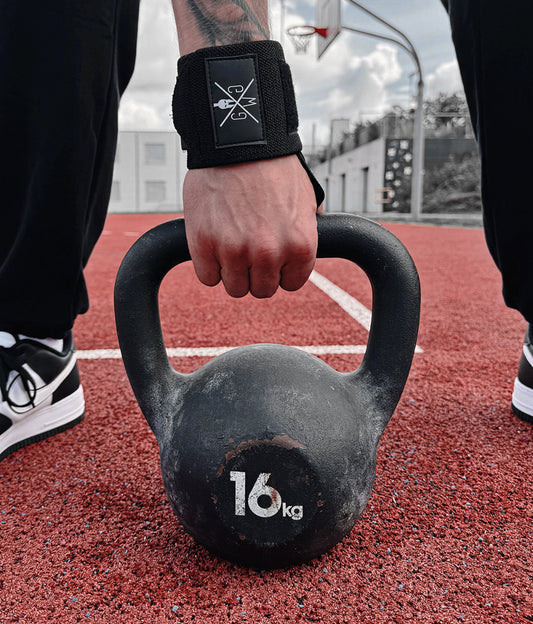
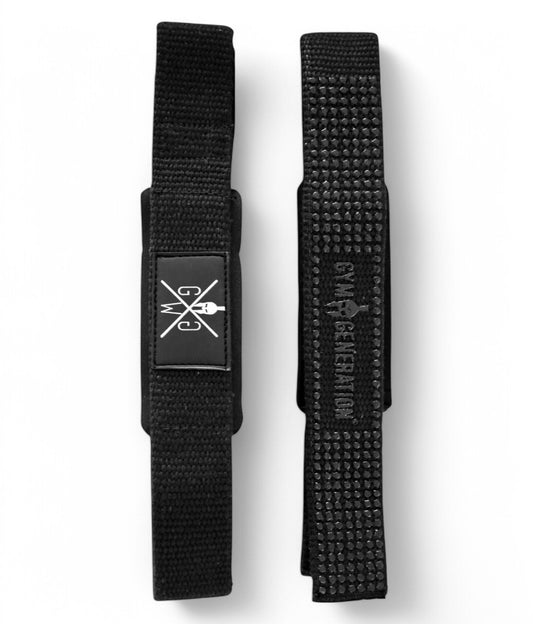
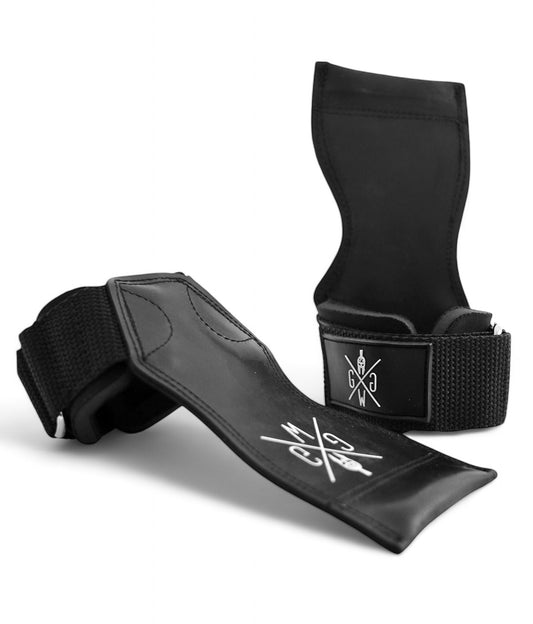
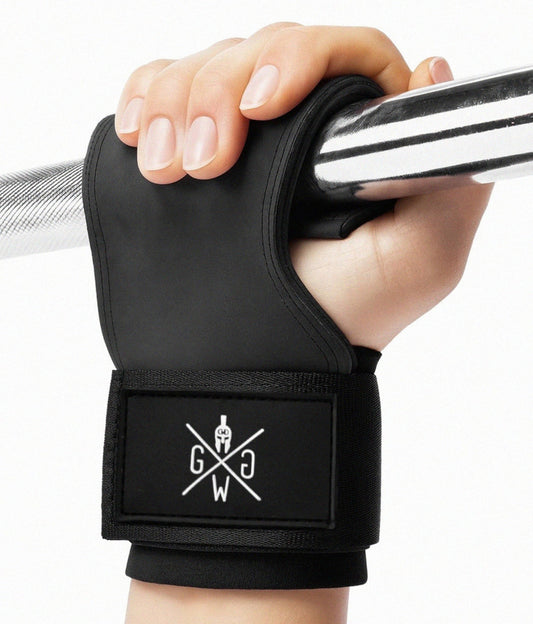
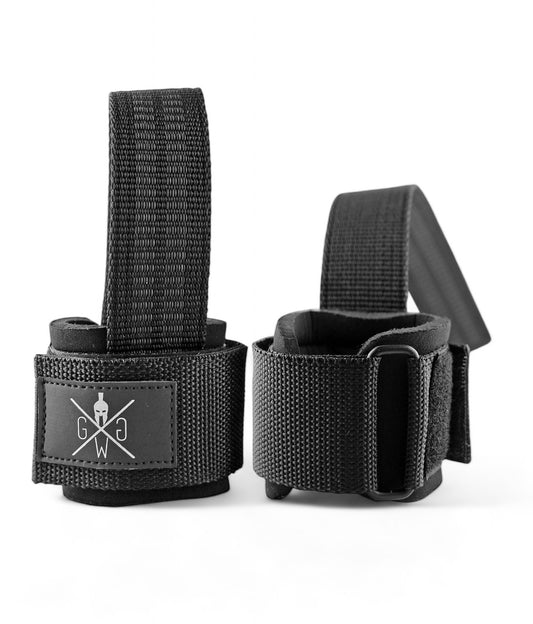
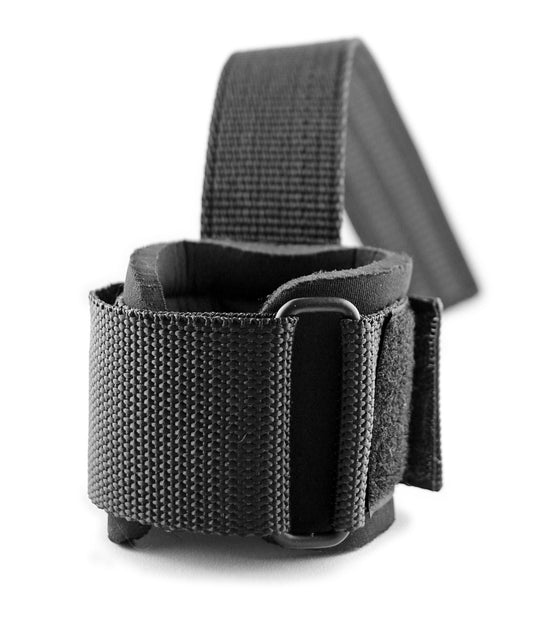
Lifting straps are durable bands, usually made from fabric, that wrap around your wrists and a barbell or pull-up bar. Their purpose is to reinforce the connection between your hands and the equipment, reducing the load on your grip muscles. This lets you direct more strength toward what really counts – muscle stimulation and clean execution.
Straps don’t just “make things easier” – they help you train more efficiently, feel your muscles more precisely, and push beyond limits without compromising technique.
Key Benefits of Lifting Straps – When Used Correctly
Especially in pulling exercises with moderate to heavy weights, lifting straps come into play when your hands give out, but your back still has more to give. That’s not a shortcut – it’s strategic load management.
Top Benefits at a Glance
Better Performance on Heavy Sets
→ Get more reps in without grip fatigue cutting your set short.
Targeted Muscle Activation
→ Full focus on lats, traps, and other pulling muscles – no distractions.
Injury Prevention Under Heavy Loads
→ Reduces strain on tendons, wrists, and forearms.
Cleaner Form, More Control
→ Even with heavy weights, your movement stays smooth and precise.
Increased Focus and Confidence
→ The bar feels secure – so you can concentrate on the real work.


Best Exercises to Use Lifting Straps
Lifting straps are designed for pulling movements – not just for back workouts, but also for intensifying underused muscle groups.
Common Use Cases
Deadlifts
Heavy weights often make your grip give out before your back does. Straps keep you locked in so you can focus on posterior chain power.
Pull-Ups & Lat Pulldowns
As fatigue sets in, your grip fails first. Straps help you stay in the movement longer, increasing muscle stimulation in your lats and biceps.
Barbell Rows & T-Bar Rows
Get maximum back tension without being limited by finger strength.
Shrugs & Shoulder Raises
Your traps can handle serious weight. Straps help you lift it safely and with control.
Rowing Machines & Cable Pulls
Perfect for long drop sets, supersets, and focused muscle burn without grip interference.
Lifting Strap Comparison – Which Model Is Right for You?
Not all lifting straps are created equal. Depending on your goals, grip style, and training focus, different materials and constructions offer unique benefits.
| Strap Type | Features | Best For |
|---|---|---|
| Cotton/Nylon (classic) | Soft, flexible, easy to wrap | Beginners, general strength training |
| With Silicone Grip | Extra anti-slip interior for firm hold | Heavy lifting, bodybuilding |
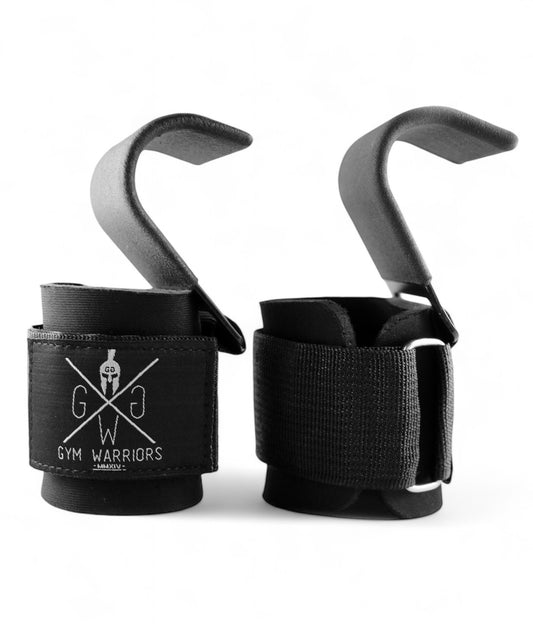
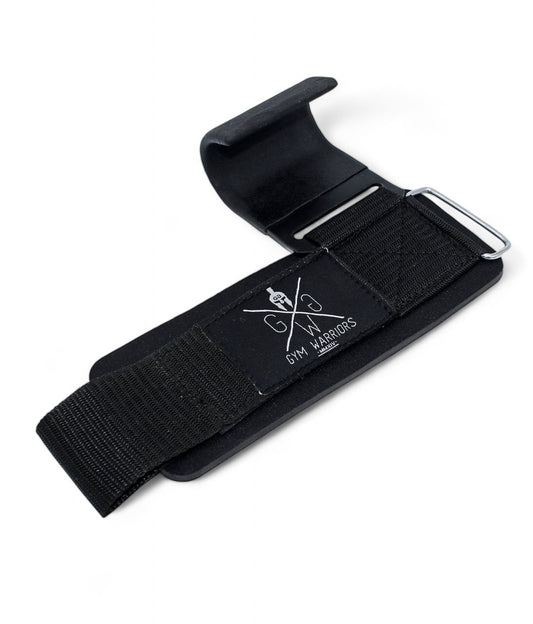
| With Metal Hooks | Fixed hook takes over most of the grip effort | Powerlifting, shrugs, max-effort sets |
| Ergonomic Designs (e.g. women) | Narrow fit, padded, stylish | Smaller wrists, women, calisthenics |
When (Not) to Use Lifting Straps
✅ Use them when:
• You're failing heavy sets despite strong back muscles
• You want to finish high-rep sets or drop sets
• You need extra depth on shrugs or pull-ups
• You're recovering or preventing overload-related injuries
❌ Avoid them when:
• You’re building grip strength intentionally
• You’re doing warm-ups or technical drills
• Your focus is on functional, full-body strength
The key is smart rotation – use them as a tool, not a crutch.
How to Use Lifting Straps – Step by Step
Many athletes either wrap them too loosely or rely on them too much. The right technique gives you total control with maximum support.
Proper Setup
1. Thread the loop and tighten it around your wrist
2. Wrap the free end one or two times around the bar
3. Apply slight tension before gripping the bar
4. Lock in your grip and lift as usual
Pro Tip: Try different wrapping techniques based on your hand size, bar diameter, and exercise style.
🧠 FAQ – Everything You Need to Know
Do lifting straps really help with deadlifts?
Yes – they shift the limiting factor from your grip to your major pulling muscles. You’ll lift heavier and do more reps, with cleaner form.
Will I lose grip strength if I use straps?
Only if you use them all the time. Combine straps with exercises like farmer’s walks or dead hangs to build grip strength while still progressing.
Which lifting straps are best for beginners?
Classic cotton or nylon straps are ideal: affordable, flexible, and easy to learn. Advanced users often upgrade to silicone grip or metal hook models.
Are lifting straps allowed in bodybuilding?
Absolutely. Many pros use them to isolate muscles and reduce injury risk – especially in high-volume phases or supersets.
Are there special straps for women?
Yes – with a narrower fit, ergonomic shape, and often more stylish design. Same support, but tailored to smaller wrists and hands.
Conclusion: Lifting Straps Aren’t a Shortcut – They’re a Smart Upgrade
Smart lifters don’t train harder – they train smarter. Lifting straps aren’t cheating; they’re a performance tool that sharpens your technique, extends your sets, and unlocks new personal records. If you’re lifting heavy, you deserve the support that lets you go further.